
Mortar is one of those building materials that does its job invisibly - when it's working correctly, nobody thinks about it. It's only when joints start crumbling, bricks begin to shift, or water infiltration shows up on interior walls that the mortar's condition becomes apparent. By that point, the deterioration has usually been progressing for some time. Understanding what drives mortar breakdown - and what slows it down - is what gives property owners the ability to stay ahead of it rather than react to it. Here's what you need to know.
What is Mortar Deterioration?
Mortar deterioration is the gradual breakdown of the material in the joints between brick, stone, or block units. It presents as crumbling, cracking, erosion below the surface of the surrounding masonry, or complete loss of material in the joint. When mortar deteriorates, the wall loses both the structural bond between units and the waterproofing function the joints provide. Left unaddressed, deteriorated mortar opens pathways for water infiltration that drive further damage to the brick, the wall assembly, and potentially the structure beyond it.
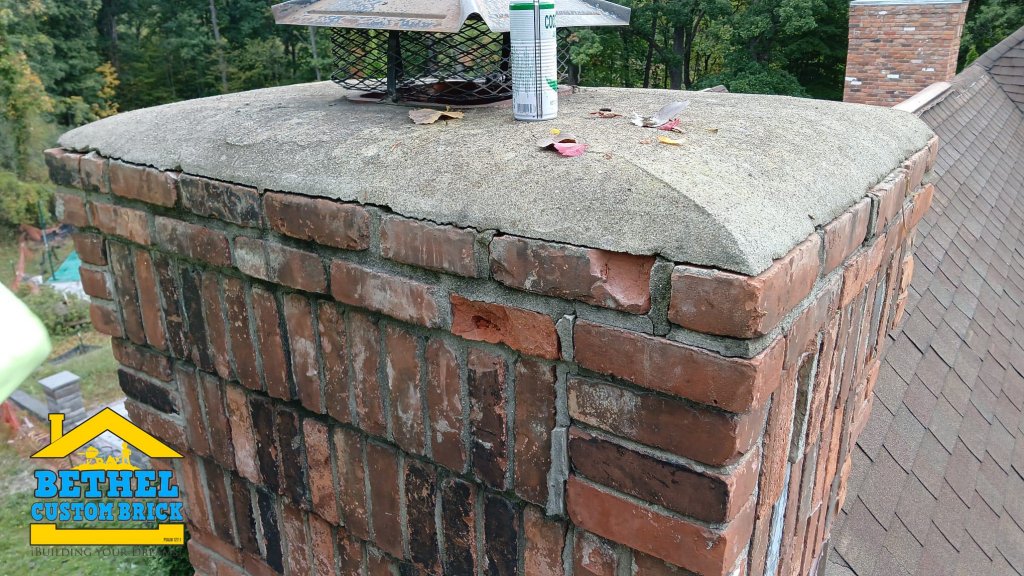
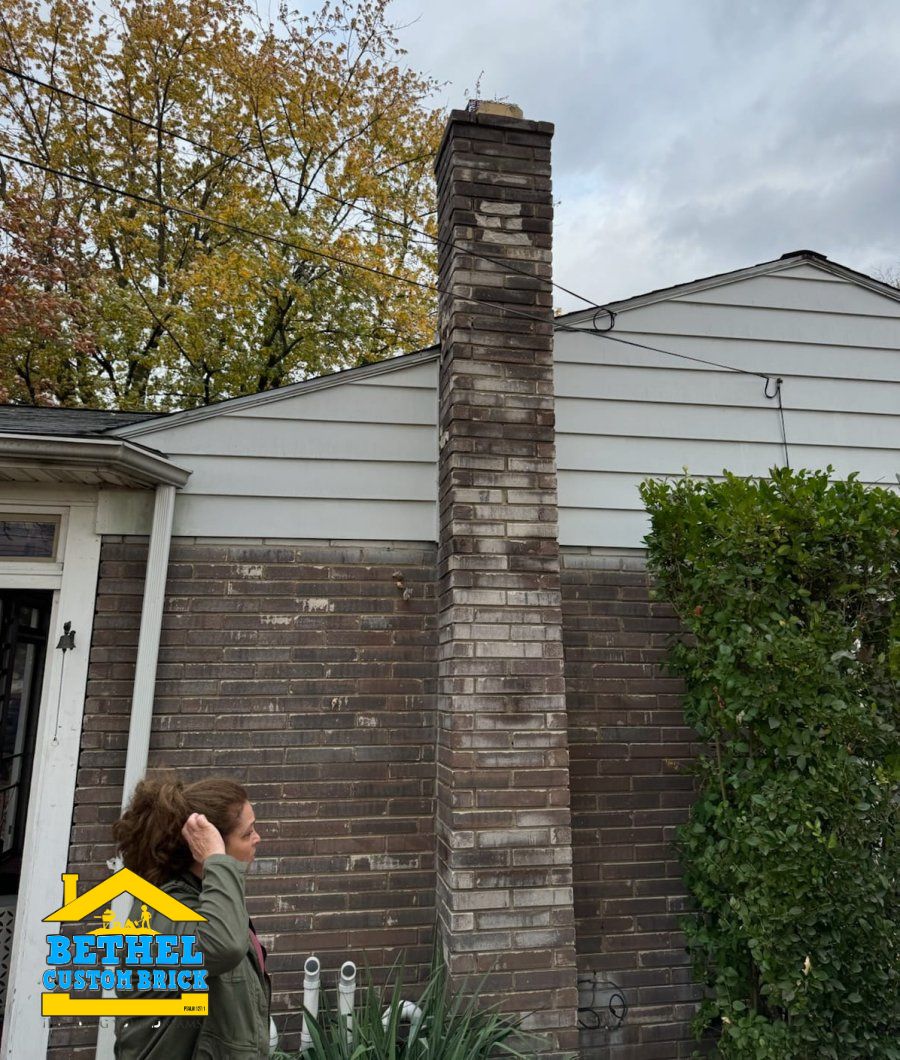
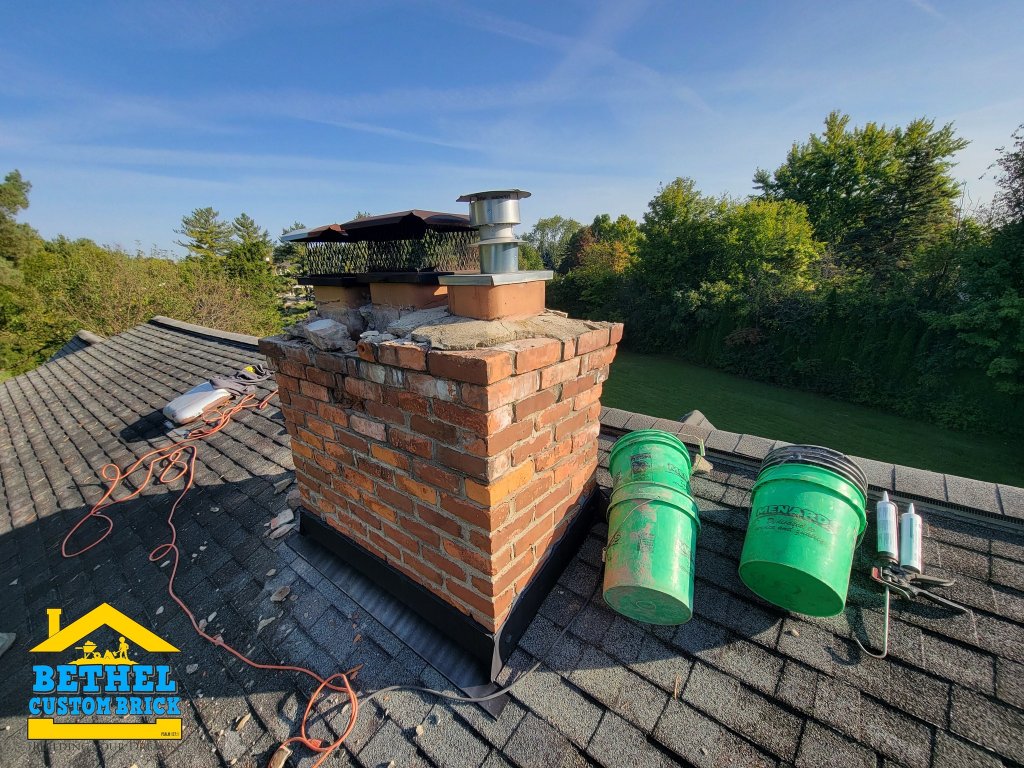
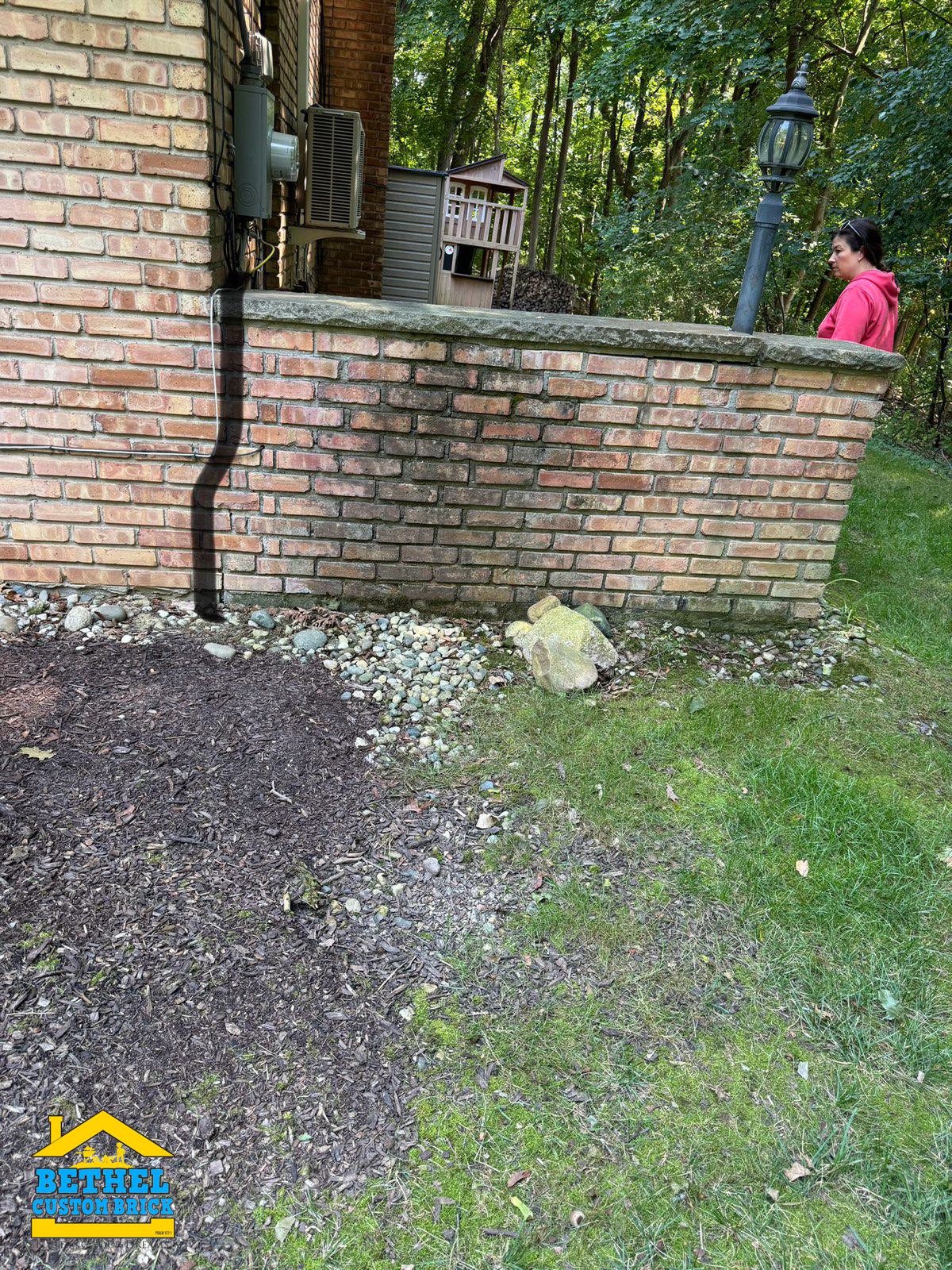
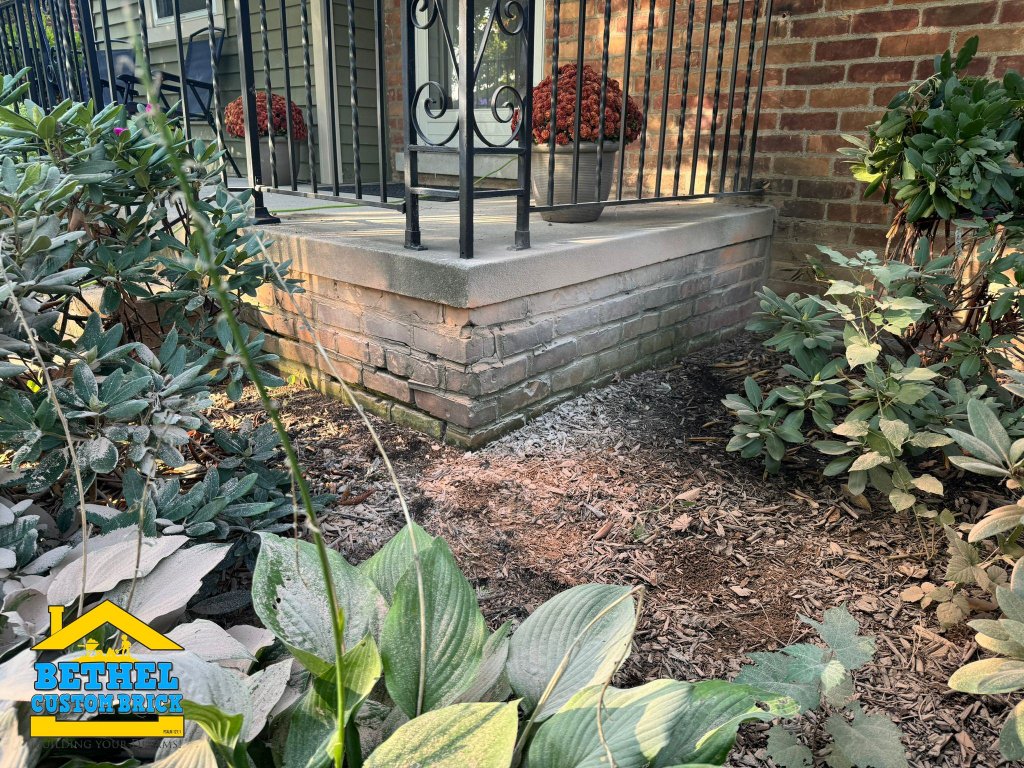
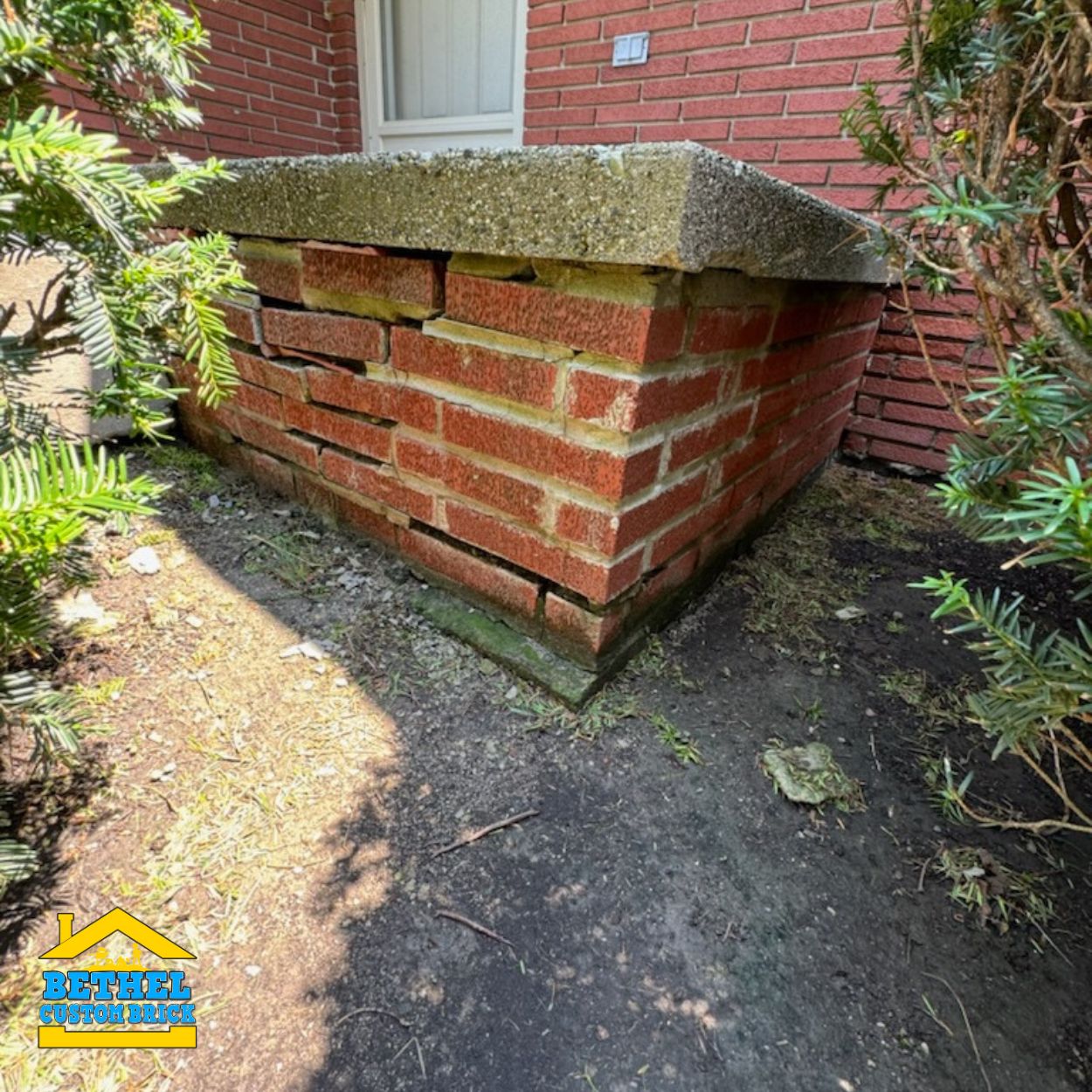
Photo's From Our Gallery
Real examples that illustrate mortar deterioration.
1. Weather and Moisture Exposure
Impact:
Mortar is porous - it absorbs moisture from rain, snow, and humidity as a matter of course. In a climate like southeast Michigan's, that moisture absorption is sustained and frequent. Water within the mortar that doesn't fully dry between weather events accumulates over time, and the accumulated moisture drives the deterioration mechanisms that follow. For a broader look at how the full range of seasonal conditions affects masonry, our guide on How Weather Affects Brickwork and What You Can Do About Ithow weather affects brickwork and what you can do about it covers the complete picture.
Solution:
Proper drainage at the base of walls and at all roof-wall intersections keeps the volume of water reaching the masonry manageable. A breathable, penetrating water-resistant sealant applied to the mortar and brick faces reduces the moisture absorption that weather exposure drives - without trapping moisture already present in the wall, which a film-forming sealant would do. Regular inspection after significant weather events - heavy rain, ice storms, hard freezes - catches emerging damage while it's still early-stage.
2. Freeze-Thaw Cycles
Impact:
Freeze-thaw cycling is the primary mechanical driver of mortar deterioration in cold climates. Water absorbed into the mortar's pore structure freezes and expands by approximately nine percent - a pressure the surrounding material can't always accommodate. Repeated cycles widen existing micro-cracks, open new ones, and progressively break down the mortar's internal structure until it begins to crumble visibly at the joint surface. The damage compounds with each season: mortar that's been weakened by one winter absorbs more moisture going into the next, and the freeze-thaw damage accelerates accordingly.
Solution:
Reducing moisture absorption is the most effective freeze-thaw mitigation available - less water in the mortar means less expansion pressure during freeze events. Quality sealant application, proper drainage, and timely repointing of joints that have already begun to open all reduce the moisture levels that freeze-thaw cycling works on. Mortar mix selection matters as well - mixes formulated for cold-climate performance with appropriate air entrainment resist freeze-thaw damage significantly better than standard mixes under the same conditions.
3. Aging and Natural Wear
Impact:
Mortar has a finite service life - typically between 25 and 50 years depending on material quality, exposure conditions, and maintenance history. As it ages, it loses the binding strength and flexibility that allow it to accommodate the minor movement all masonry structures undergo. Older buildings with original mortar are often past the point where the mortar is performing its structural function adequately, even when visible deterioration is not yet dramatic. Historic lime-based mortars age differently than modern Portland cement mortars - they remain softer and more accommodating of movement, but they also erode more readily under sustained moisture exposure.
Solution:
Regular inspection is the baseline requirement for older structures - mortar condition that's visible on the surface is often more advanced within the joint. Timely repointing before joints have eroded to the point of structural significance maintains the wall's performance and limits the scope of each maintenance cycle. For historic structures, mortar specification for repointing requires particular care - matching the original mortar's composition and hardness rather than defaulting to modern Portland cement mixes that may be incompatible with the surrounding brick.
4. Poor Quality or Incorrect Mortar Mix
Impact:
Mortar is not a single product - there are multiple types with different compressive strengths, flexibility characteristics, and appropriate applications. Using a mortar that's too strong for the surrounding brick is one of the most common and consequential specification errors in masonry repair. A mortar that's harder than the brick it's bonding will not accommodate movement through the joint as it's designed to - instead, stress is transferred into the brick face, driving spalling and cracking in the brick rather than the mortar. The damage that results from incompatible mortar is often more expensive to correct than the original deterioration that prompted the repair.
Solution:
Mortar type selection should be based on the structural requirements of the application, the hardness and porosity of the surrounding brick, and the exposure conditions the wall faces. For most residential brick repair and repointing work, a Type N mortar - moderate strength, good flexibility, appropriate for above-grade exterior applications - is the correct specification. Historic masonry typically requires lime-based or natural hydraulic lime mortars to match the original material's performance characteristics. Professional assessment before specifying mortar for any repair work eliminates the risk of incompatibility damage.
5. Improper Installation or Maintenance
Impact:
Mortar that's improperly mixed - wrong water-to-binder ratio, insufficient mixing time, incorrect proportions - loses strength before it's ever exposed to weather. Mortar applied in conditions that are too cold, too hot, or too dry cures incorrectly and underperforms from day one. And deferred maintenance that allows minor joint deterioration to progress unchecked converts a straightforward repointing job into a more significant repair scope over time.
Solution:
Professional installation ensures that mortar is mixed to specification, applied in appropriate conditions, and finished correctly at the joint surface. Routine maintenance - inspecting the mortar condition every few years and addressing emerging deterioration before it compounds - keeps repair scope contained and cost proportionate to the actual condition of the masonry.
Tips to Prevent Mortar Deterioration
1. Schedule regular inspections
A visual assessment of mortar joint condition every two to three years - and specifically in early spring after freeze-thaw season - catches early deterioration at the stage where repointing is straightforward and contained. Gaps, crumbling, erosion below the brick face, and efflorescence staining are all indicators to act on promptly.
2. Repoint when necessary
Repointing at the right time - when joints have deteriorated but the brick units are still sound - is the single most effective preventive maintenance action available for brick masonry. It closes water entry points, restores the structural bond between units, and resets the mortar service life without requiring brick replacement.
3. Apply sealant for added protection
A breathable penetrating sealant applied to the mortar and brick faces reduces moisture absorption across the wall surface. The breathable specification is essential - sealants that form a surface film trap moisture within the wall assembly and accelerate the freeze-thaw damage they're intended to prevent.
4. Ensure proper drainage
Water that pools at the base of walls, discharges from downspouts directly against masonry, or accumulates at roof-wall intersections maintains sustained moisture contact with mortar joints that normal weather exposure doesn't. Maintaining gutters, downspouts, and site drainage to direct water away from masonry surfaces is the most cost-effective moisture management measure available.
5. Choose the right mortar for repairs
Mortar compatibility with the surrounding masonry determines how long a repair holds and whether it protects or damages the brick around it. For historic masonry, period-appropriate mortar specification is essential. For modern residential brick, a Type N mix appropriate to the exposure conditions is the standard starting point.
6. Limit exposure to harsh chemicals
Deicing salts and chloride-based products applied on or near masonry surfaces accelerate mortar erosion and drive salt crystallization within the joint material that contributes to spalling. Salt-free alternatives used on adjacent surfaces, and prompt rinsing of any chloride products that contact masonry, reduce the chemical deterioration that compounds freeze-thaw damage in Michigan winters.
The Bottom Line
Mortar deterioration is predictable, gradual, and - when caught at the right stage - straightforward to address. The causes are well understood, the prevention measures are practical, and the repair process is established. What determines whether a property owner deals with a routine repointing cycle or a significant structural repair is largely how attentive they are to the early indicators and how promptly they act on them.
Professional tuckpointing removes deteriorated mortar and replaces it with properly matched, durable material that restores both structural performance and visual coherence. Learn more about our Expert Tuckpointing and Mortar Restoration Servicesexpert tuckpointing and mortar restoration services to see how we approach failing joints and protect brickwork for the long term.
If you've noticed signs of mortar damage - crumbling joints, efflorescence, moisture infiltration, or loose bricks - Contact Bethel Custom BrickContact us today to schedule a professional assessment before the problem progresses further.
Bethel Custom Brick is a Metro Detroit masonry contractor serving homeowners across Southeast Michigan. Learn more about us.